Building a Strong Company Culture in Singapore: A Practical Guide for Leaders
Apr 24, 2026
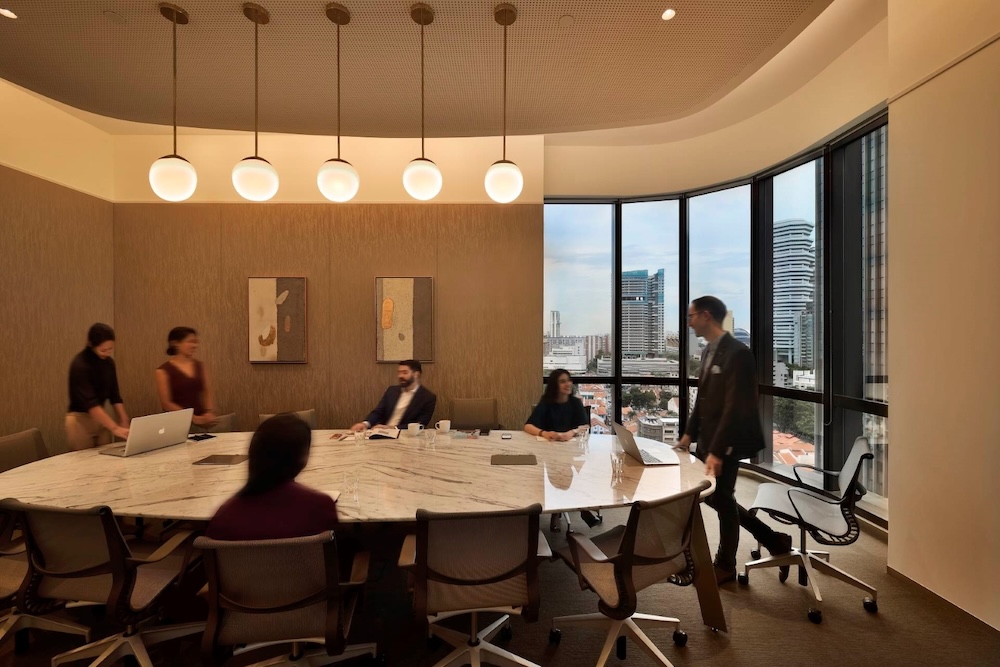
In Singapore's competitive talent market, a strong company culture is a decisive factor in how organisations hire, retain, and sustain high-performing teams. Yet, despite its importance, many leaders still treat culture as a background concern rather than a strategic priority.
That gap is worth closing, because a strong company culture does not happen by accident. Rather, it is built through consistent leadership behaviour, deliberate team practices, and an environment that genuinely reflects the values an organisation claims to hold.
Why Company Culture Matters More Than Ever in Singapore
Talent Retention
While salary and benefits are important, they are no longer the only factors shaping retention decisions for employees. Culture, leadership quality, and a genuine sense of belonging have also become equally significant considerations for talent.
According to Randstad's 2025 Workmonitor survey, 62% of respondents in Singapore would leave their jobs if they did not experience a sense of belonging at work. Among Gen Z workers, that figure rises to 67%.
These numbers demonstrate that employees are increasingly choosing where they work based on how it feels to work there, not just what they are paid.
As such, leadership quality, peer recognition, and team cohesion drive attrition just as powerfully as compensation does. Companies with clearly defined and consistently lived cultures tend to see stronger engagement and lower voluntary turnover as a result.
The Shift Toward Hybrid and Flexible Work
Post-pandemic, company culture can no longer rely on physical proximity alone. With hybrid arrangements now standard across many Singapore workplaces, leaders need to build cohesion and shared identity intentionally, even when the team is not in the office together every day.
That said, the physical workspace still plays a significant role in how culture is expressed and experienced. On the days employees do come in, the quality of that environment communicates how leadership views its people. For instance, a well-designed, purposeful office signals that the organisation values focus, collaboration, and the day-to-day experience of the people who work there.
What Strong Company Culture in Singapore Looks Like in Practice
Values That Are Lived, Not Just Listed
Culture statements on a website or office wall do not build culture. Consistent behaviour does.
Therefore, leaders who want to cultivate a positive company culture must model the values they expect across the organisation, starting with how they communicate, make decisions, and handle setbacks.
Beyond individual behaviour, psychological safety, accountability, and recognition all need to be demonstrated at a structural level, not just stated in a values document.
To that end, regular culture audits through surveys or focus groups help identify gaps between what the organisation claims to stand for and what employees actually experience day to day.
Multicultural Workplace Inclusion
Singapore's workforce spans Chinese, Malay, Indian, and expatriate professionals, making cultural awareness an essential leadership skill. Building a genuinely inclusive company culture here means going beyond policy. In practice, this includes:
- Acknowledging cultural and religious observances in team planning, including Hari Raya, Deepavali, and Chinese New Year.
- Building communication norms that create space for different working styles, including employees who prefer more considered or indirect responses.
- Ensuring that team structures and meeting formats do not inadvertently favour one cultural communication style over others.
Consistent Recognition
Employees who feel seen and recognised are more likely to stay, contribute, and advocate for the organisation.
To address this, encourage managers to give specific, timely praise rather than generic feedback delivered only at annual reviews.
At the same time, create clear and safe channels for staff to raise concerns, surface disagreements, and challenge the status quo without fear of repercussion.
How to Foster Company Culture in Singapore with Hybrid Working Arrangements
Intentional In-Person Touchpoints
Not every working day needs to be in the office, but certain moments benefit significantly from physical presence. In particular, face-to-face interaction reinforces the bonds that sustain team cohesion over time during occasions such as:
- New hire onboarding
- Quarterly strategy sessions
- Performance reviews
- Team celebrations and social events
Additionally, Singapore's workplace tradition of the annual Dinner and Dance endures for good reason. These types of shared experiences outside the day-to-day build the social fabric that holds teams together through difficult periods.
Beyond organised events, the quality of the workspace itself matters on the days employees do come in. A premium, well-designed environment signals to employees that leadership takes their professional experience seriously, giving hybrid teams a reason to come in willingly rather than reluctantly.
Building Culture Across Remote and Distributed Teams
Many Singapore companies now manage teams across the Southeast Asian region, with colleagues in Kuala Lumpur, Jakarta, Manila, or further afield. In turn, fostering cohesion across time zones and national cultures requires structure and consistency.
Shared rituals help anchor distributed teams. Some practical ways to maintain a sense of belonging beyond the physical office include:
- Regular standups to keep the team aligned and connected across locations.
- Peer recognition channels that surface good work regardless of where it happens.
- Informal virtual kopi sessions to preserve the social dimension of team life.
Furthermore, leadership visibility is critical when the team is not under one roof. Consider using video updates, open Q&A sessions, and proactive communication from senior leaders to reinforce cultural direction and prevent the quiet disengagement that hybrid settings can quietly accelerate.
Building Company Culture as a Growing Startup or SME in Singapore
Early-stage companies often build culture by default rather than design, which becomes increasingly difficult to course-correct once headcount scales. That approach tends to surface in:
- Attrition
- Misaligned hires
- A founding team that has to rebuild
Since early hires carry disproportionate cultural weight, founders should articulate core values before the team hits double digits and hire against those values. As the team grows beyond the founding circle, standards across communication, conduct, and collaboration must be documented and shared to maintain consistency.
For founders scaling their teams, consider leveraging government startup support to formalise processes early. For example, the Enterprise Development Grant (EDG), administered by Enterprise Singapore, supports capability building in areas like human capital development. SMEs can use it to put proper HR infrastructure and cultural frameworks in place before they are needed, rather than retrofitting them later.
The Role of Workspace in Positive Company Culture
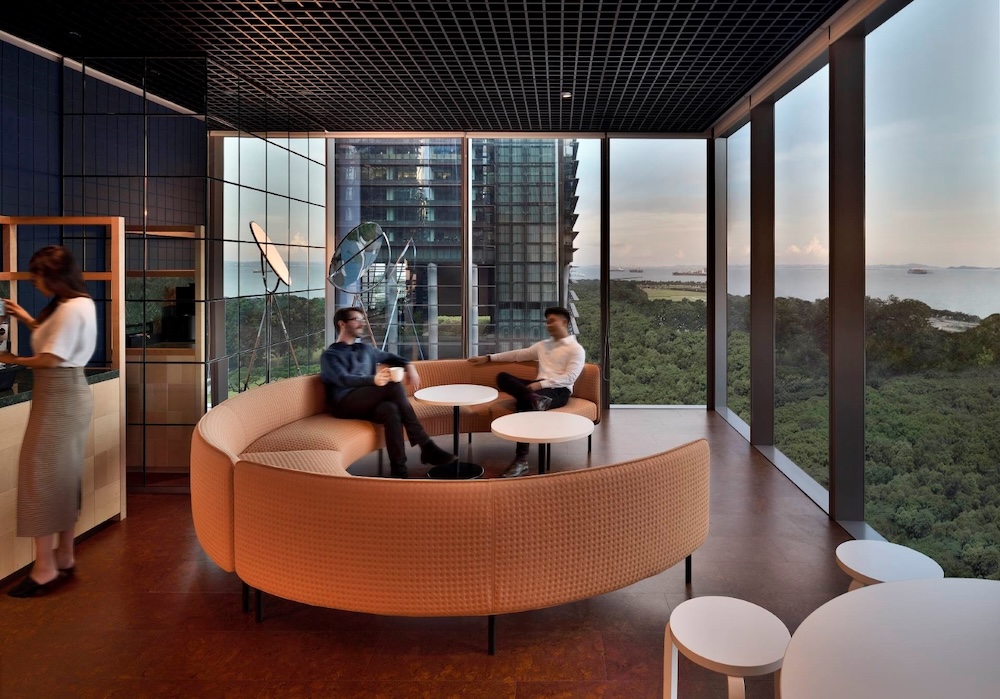
A thoughtfully designed workspace communicates how leadership views its people. In Singapore, where professionals invest long hours in the office, the quality of the working environment directly affects morale, collaboration, and retention.
For growing companies, flexible and premium workspaces offer a practical middle ground, allowing teams to work in an inspiring environment without the financial commitment of a long-term fitout.
If you're looking to give your team a space that reflects the culture you are building, book a tour to explore The Work Project’s coworking spaces, including its Singapore office spaces and dedicated desks, today.