What Is a Small Business in Australia? (Definition & Guide)
Apr 24, 2026
Small businesses are the backbone of the Australian economy, and understanding what constitutes a small business is essential for entrepreneurs, as it impacts eligibility for government support, tax concessions, and compliance obligations.
In Australia, definitions of small business vary depending on the government agency and purpose. Clarity around these definitions ensures that business owners can access the right programs, plan for growth, and make informed operational decisions.
This guide explains the official definitions used in Australia, explores how small and medium enterprises (SMEs) are classified, and highlights practical considerations for workspace, including flexible solutions from The Work Project that help small businesses scale efficiently.
Official Definitions: What Constitutes a Small Business in Australia
There is no single, universal definition of what is considered a small business in Australia. Various agencies define “small” differently based on employment size, turnover, or other criteria. Understanding these distinctions is key to navigating regulatory, tax, and support frameworks.
Australian Bureau of Statistics (ABS) Definition
The Australian Bureau of Statistics (ABS) defines small businesses primarily by employment size: those with fewer than 20 employees. Within this classification, businesses are further broken down:
- Non-employing businesses: Sole traders or partnerships operating without staff.
- Micro businesses: 1–4 employees.
- Other small businesses: 5–19 employees.
ABS classifications are widely used for economic analysis, policy research, and understanding the contribution of small businesses to national employment and GDP.
Australian Taxation Office (ATO) Definition
For tax purposes, the Australian Taxation Office (ATO) defines a small business entity in Australia as one with an aggregated turnover of less than $10 million per year. What this threshold determines is the eligibility for various small business tax concessions, including:
- Instant asset write-offs
- Small business income tax offset
- Simplified depreciation rules
This turnover-based approach allows tax relief to target genuinely small operations, supporting cash flow and reinvestment.
ASIC’s Definition (for Companies)
The Australian Securities and Investments Commission (ASIC) defines a “small proprietary company” under the Corporations Act 2001 as a company that does not meet two of three “large company” tests: revenue, consolidated gross assets, and number of employees.
From financial years commencing on or after 1 July 2019, a proprietary company is classified as “large” if it satisfies at least two of the following criteria:
- Consolidated revenue of $50 million or more for the financial year (including any controlled entities)
- Consolidated gross assets of $25 million or more at the end of the financial year
- 100 or more employees at the end of the financial year across the company and its controlled entities
Companies that do not meet at least two of these thresholds are generally considered small proprietary companies, which may benefit from reduced reporting and audit requirements.
What Defines a Small Business in Australia Under the Fair Work Commission
Under the Fair Work Act, a small business employer is defined as one with fewer than 15 employees. This definition is relevant for employment law, particularly:
- Eligibility for unfair dismissal protections
- Simplified workplace compliance processes
Local Ownership Criteria (Business Classification)
Australia does not have an overarching national requirement for the percentage of local shareholders to classify a business as a small business or SME. However, specific government programs, grants, or procurement schemes may include “Australian-owned” criteria, requiring a defined proportion of local ownership.
These conditions are applied on a case-by-case basis and are typically outlined within individual funding or support programs.
What Is a Small to Medium Enterprise (SME) in Australia?
A small to medium enterprise (SME) is an umbrella term for businesses that fall within the small and medium-size brackets. SME classification is used for policy design, economic analysis, and financial services, helping both government and industry target support effectively.
ABS SME Size Bands
According to ABS standards:
- Small enterprises: Fewer than 20 employees
- Medium enterprises: 20–199 employees
SMEs collectively represent the majority of Australian businesses, highlighting their importance to the national economy.
Turnover-Based Definitions
Some government and industry groups also define SMEs by turnover. For example, a business with an annual turnover of less than $50 million may be considered an SME for certain programs or statistical reporting purposes. These definitions can influence access to finance, procurement opportunities, and sector-specific grants.
Why Understanding Small Business & SME Definitions Matters
A clear understanding of small business and SME definitions offers tangible advantages for Australian entrepreneurs:
- Tax and regulatory implications: Eligibility for Australian Taxation Office (ATO) small business concessions and simplified reporting depends on correctly identifying your business size.
- Access to government support: Grants, recovery programs, and advisory services often require businesses to meet SME or small business thresholds.
- Legal and compliance obligations: Employment laws, including Fair Work small business provisions, influence HR practices and dismissal processes.
- Finance and credit: Banks and lenders use SME classification to assess risk, structure loans, and design tailored financial products.
The Role of Workspace in Small Business Growth
Beyond knowing what legally defines a small business or an SME in Australia, workspace choice also plays a crucial role in small business success. A professional and adaptable workspace can influence productivity, team collaboration, recruitment, and brand perception.
For small businesses, particularly sole traders or micro enterprises, flexible shared coworking spaces offer a cost-effective solution. Hot desking allows solo operators to maintain a professional environment for client meetings and networking without committing to a long-term lease.
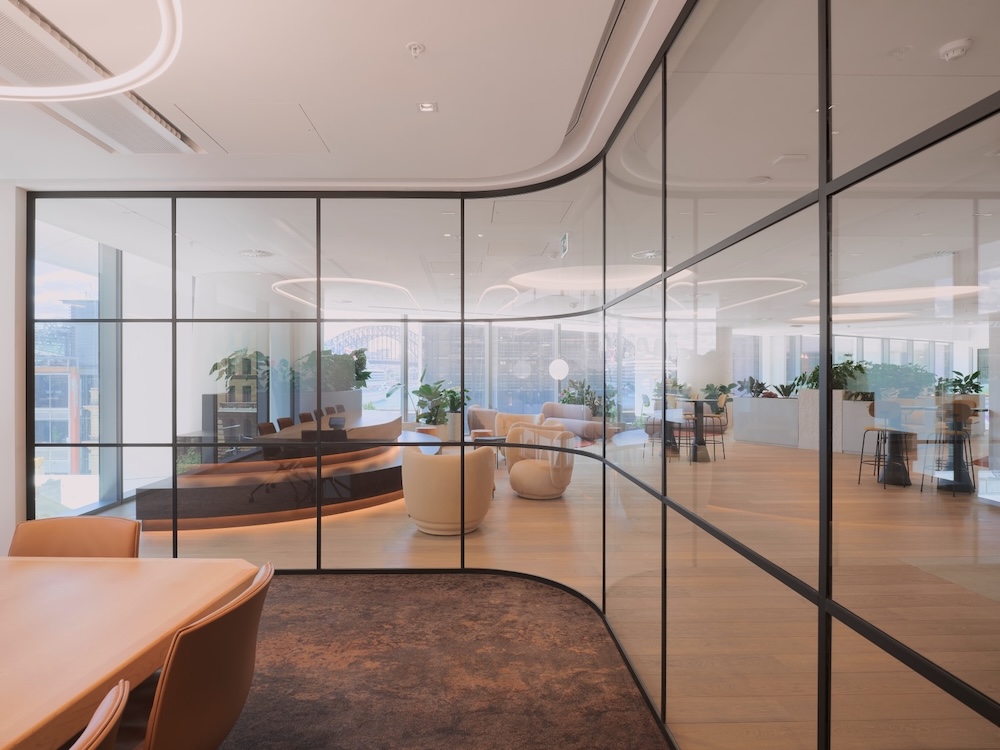
As businesses grow and expand into SMEs, these flexible workspaces can scale seamlessly, providing private offices, meeting rooms, and collaborative areas that support larger teams and more complex operations.
A thoughtfully designed workspace also fosters productivity and wellbeing, offering quiet zones for focused work, open collaboration areas, and amenities that enhance employee satisfaction.
The Work Project: Workspace Solutions for Small Businesses
The Work Project provides adaptable workspace solutions tailored to the needs of small and growing Australian businesses. Across Sydney, Melbourne, Brisbane, and Perth, TWP offers options that suit every stage of business growth, from sole traders to incorporated SMEs.
- Coworking solutions: Hot desk rentals are ideal for solo operators or freelancers just starting out.
- Private offices: Support small teams while projecting credibility to clients and investors.
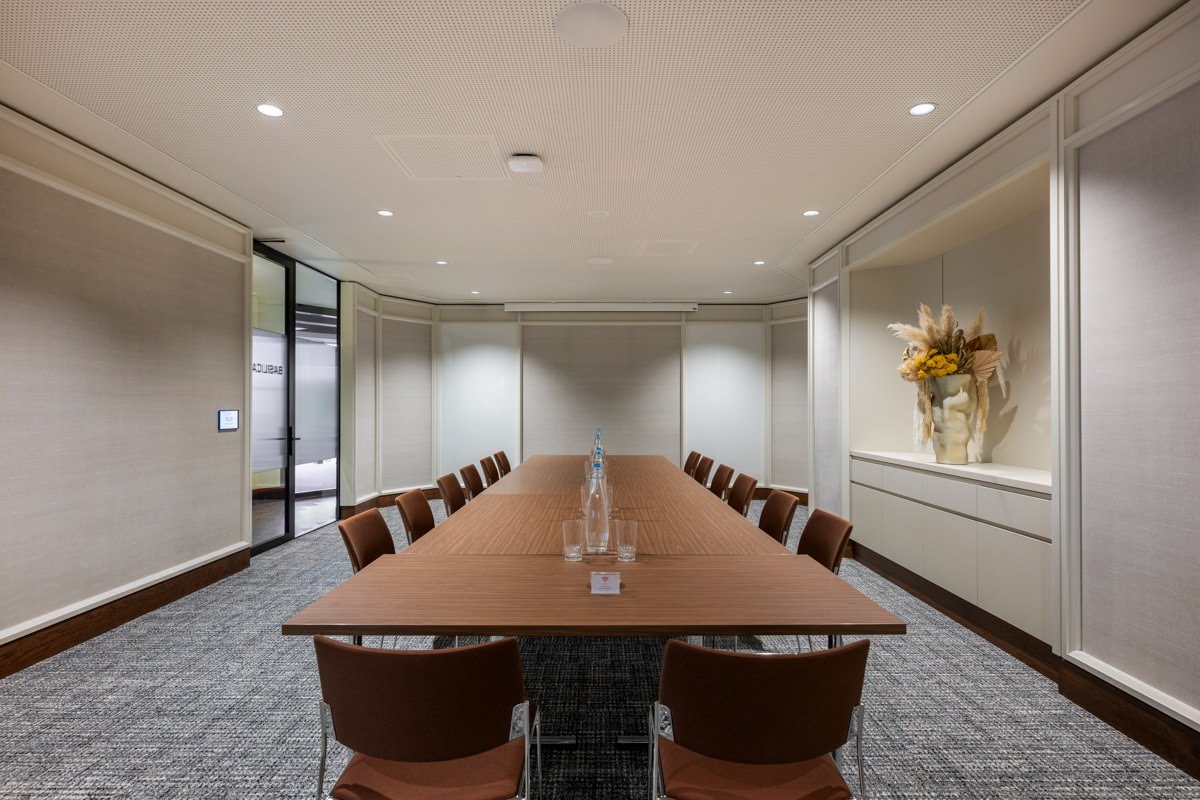
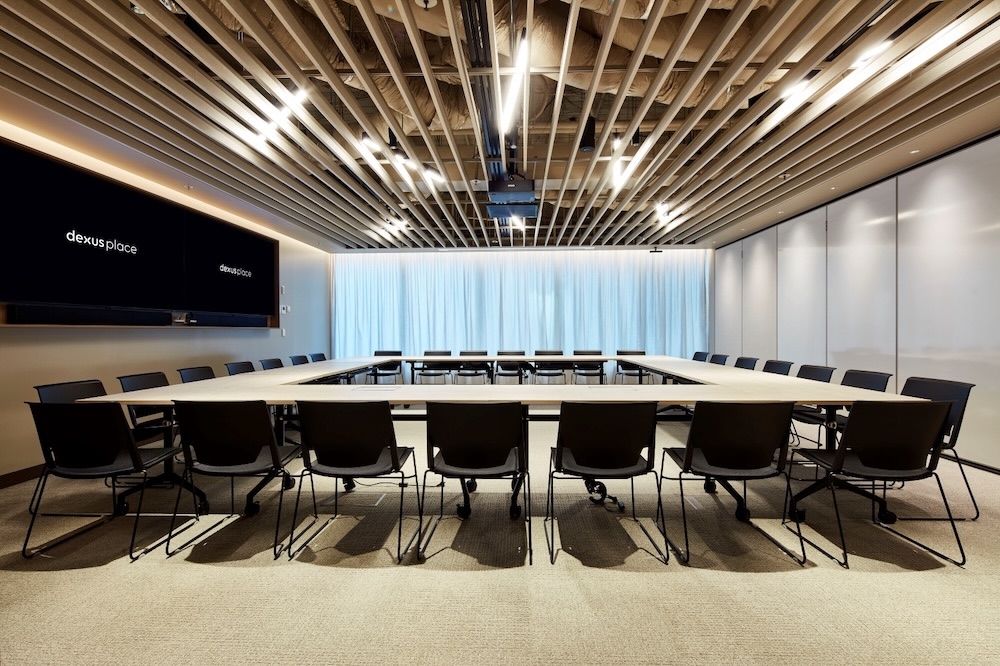
- Meeting rooms and collaborative spaces: Enable professional client interactions and team collaboration without long-term commitments.
- Flexible lease terms: Allow businesses to scale up or down as operations evolve.
By pairing flexible workspace with the right small business strategies, entrepreneurs can focus on growth, client engagement, and operational efficiency rather than being constrained by traditional leases or administrative overheads.
Explore The Work Project’s premium workspaces today to find the right setup for your small business stage and ensure your operations are supported, scalable, and professional.