The Office Relocation Checklist for Moving Offices to Sydney
Aug 05, 2026

Small and medium businesses across Sydney relocate for several reasons, from lease expiry and headcount changes to hybrid work reducing space needs and rising CBD rents.
For a mid-to-large office, the process can span up to 12 months, running from finding new premises through to completing the old lease. As such, businesses that leave planning too late risk rushing to make-good works or paying rent on two premises at once.
For SMEs juggling day-to-day operations alongside a relocation, that pressure compounds quickly without a clear plan in place. A structured approach removes most of the guesswork and keeps the business running while the move happens in the background.
This checklist walks through the preparation steps, a realistic office move timeline, and the legal obligations for relocating businesses in Australia.
How to Prepare for an Office Move
A smooth office move starts with one accountable coordinator and a clear project plan. Build a core team from IT, HR, Finance, and Operations well before the move date is set. Without a named lead, tasks fall between departments and deadlines slip.
The steps below follow the order they should be actioned, which may differ from how urgent they feel. Working through them in sequence avoids the common trap of tackling logistics before contracts are reviewed.
Before You Commit
- Appoint a Move Coordinator: Assign one person as the accountable lead for the office move project plan.
- Document the Existing Premises: Photograph every room, fitting, and installation before packing begins to support make-good negotiations.
- Review Both Leases Before Acting: Check the existing lease for notice periods and make-good obligations, then confirm rent review terms in the new one.
- Engage a Lease Lawyer Early: Make-good disputes are common in Australian commercial leases, and early review costs less than a dispute at exit.
- Set a Realistic Move Budget: Include make-good costs, fit-out, removalists, and IT provisioning alongside the new rent.
As the Move Approaches
- Brief IT Immediately After Signing: Fibre installations in Sydney CBD buildings often face access delays, so provisioning should start early before the office move.
- Notify Clients and Suppliers Early: Give at least four weeks' notice of the address change and clean up your contact database.
- Get Multiple Removalist Quotes: Confirm insurance covers office equipment and check the removalist's capacity to work after hours in the CBD.
- Plan the New Floor Layout: Agree on seating and meeting room allocations before boxes are packed, to speed up settling in.
- Communicate with Staff Throughout: Share the timeline and first-day logistics early, since clear communication supports a strong company culture during change.
Office Move Timeline
This office move timeline assumes a standard Australian lease requiring six months' notice. Extend these lead times if the new premises need significant fit-out work. Shorter notice periods compress every phase below, so adjust the earlier milestones first.
- Nine to 12 Months Out: Commission a make-good assessment on the existing lease to understand exit costs.
- Six Months Out: Serve notice on the existing lease using the required method, then begin the new premises search.
- Three to Four Months Out: Execute the new lease, engage fit-out contractors if needed, and brief removalists and key clients.
- Six to Eight Weeks Out: Lodge the ASIC address change, update Australian Business Register records, and notify the Australian Taxation Office.
- Two to Four Weeks Out: Confirm all vendor bookings, complete make-good repairs, and book loading docks at both premises.
- Moving Week: Execute the physical move, ideally over a weekend, and confirm connectivity is live before staff arrive.
- First Week Post-Move: Verify mail and systems route correctly, and confirm ASIC and ABR updates appear on public registers.
Make-good costs can strain cash flow if budgeted too late, so plan for them well before notice is served.
The Legal Checklist for an Office Relocation
Australian businesses face specific legal obligations when relocating offices, and several are commonly missed. Missing any of these can create compliance gaps that surface well after the move is done. Here’s a checklist to help you cover your bases.
Commonwealth Obligations
- Understand Make-Good Obligations First: Get a professional assessment before serving notice, since scope varies from painting to full strip-out.
- Serve Notice in the Correct Form: Confirm whether the lease requires registered post, personal delivery, or delivery via a solicitor.
- Lodge the ASIC Address Change: File Form 484 within 28 days, since late lodgement can attract penalties under the Corporations Act 2001.
- Update the Australian Business Register: ASIC and the ABR are separate systems, so update ABN-linked details with the ABR too.
- Notify the ATO Directly: Update GST, PAYG, and other registrations, since ASIC does not automatically notify the Australian Taxation Office.
State and Local Obligations
- Check State-Based Requirements: Payroll tax, workers' compensation, and certain licences vary by state for interstate moves.
- Update Council Rates Records: Notify the local council so rates are assessed correctly from the new occupation date.
- Review Insurance Coverage: Confirm public liability and asset insurance transfer cleanly to the new premises before moving day.
Office Move Do's and Don'ts
Do's
- Commission a make-good assessment nine months early.
- Confirm loading dock access at both premises before booking removalists.
- Set up mail redirection before moving day.
- Keep signed board resolutions with ASIC lodgement records.
Don'ts
- Assume make-good scope without a written assessment.
- Treat ASIC and ATO notifications as one task.
- Ignore state-based payroll tax and licensing rules.
- Delay IT provisioning until after signing the lease.
Not Sure a Full Relocation Is the Right Move?
Lease expiry is a natural decision point. Additionally, businesses that have reduced headcount or shifted to hybrid work often find a flexible managed office fits better.
A flexible managed office removes the make-good costs and long notice periods of a standard lease. It also removes the capital outlay of fitting out a new space from scratch.
Choosing to rent an office in Sydney through a managed provider brings flexible terms, no reinstatement liability, and no fit-out outlay. For growing SMEs, that flexibility matters as much as the address itself.
Ready to Make Your Move?
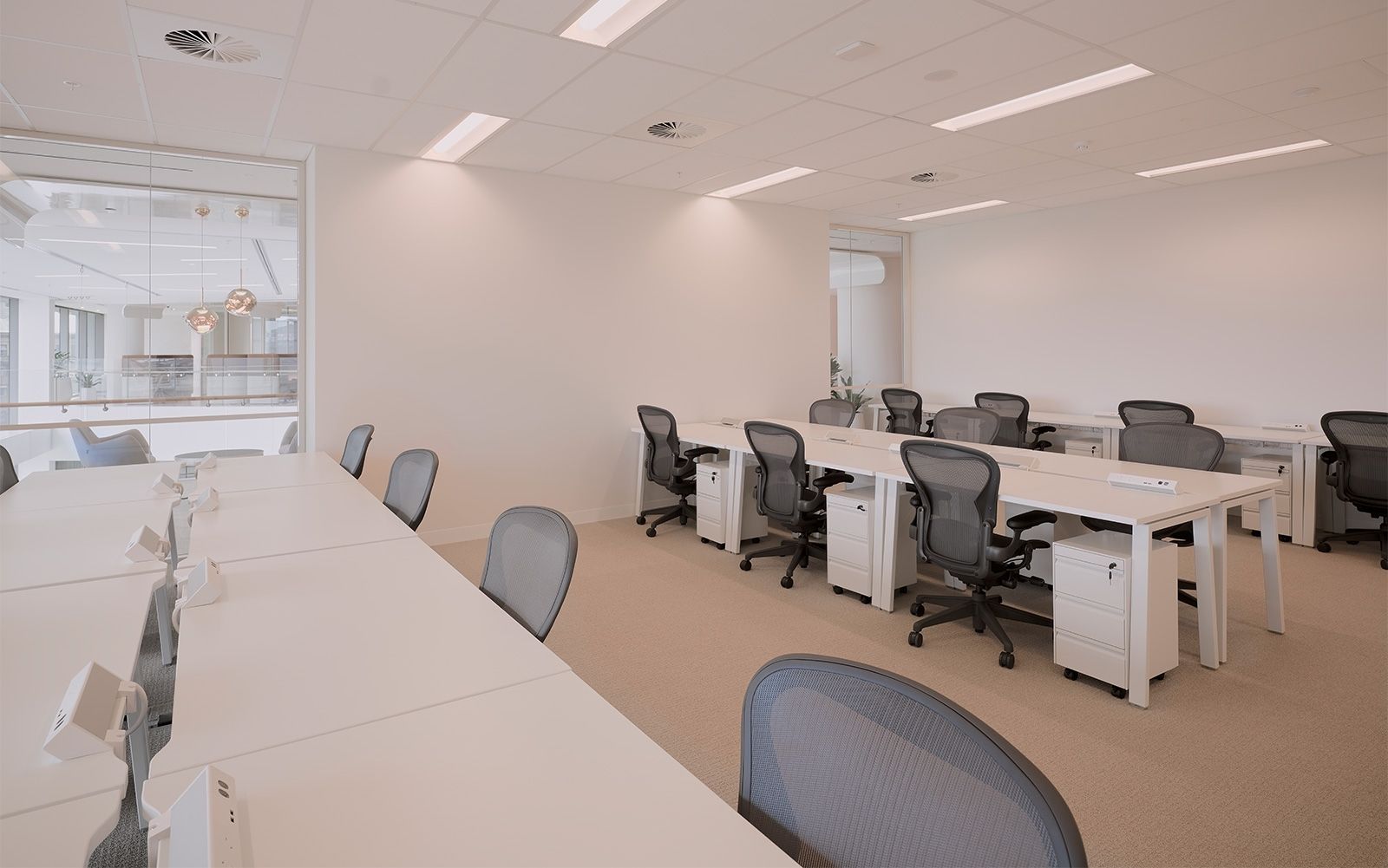
A smooth Sydney office relocation depends on starting early and assigning clear accountability before the timeline tightens. Working through the phases in order protects both the budget and the team.
If a move is bringing you to Sydney, The Work Project's shared office spaces in Sydney offer flexible terms without the obligations of a conventional lease. Locations sit inside Grade A buildings across the city, with hospitality-inspired service built in. Get in touch to arrange a viewing.