Office Feng Shui tips for productivity and well-being
Sep 04, 2025
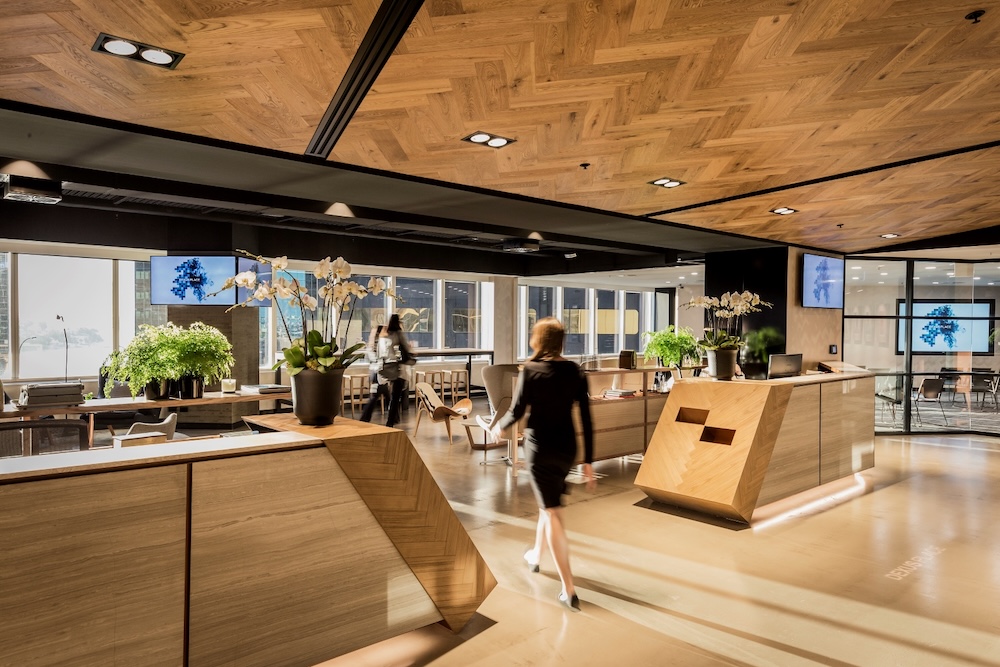
Walk into a well-designed office, and the difference registers immediately: the air feels lighter, attention settles more easily, and the urge to get to work arrives before you've opened a single application. Walk into a poorly designed one, and the opposite happens. Feng Shui is the practice that explains why. Rooted in the principle that energy flows through physical spaces, it offers a framework for arranging an office to support focus, collaboration and well-being rather than work against them.
Thoughtful office design makes a measurable difference to how people work. A workspace that feels open and balanced tends to lift both productivity and morale, and nowhere is this more visible than in shared environments where multiple people rely on the same physical space across the working day.
Coworking spaces, in particular, benefit from these principles. By incorporating natural light, greenery and clear movement between areas, a shared office can feel like a place where great work consistently happens.
Core principles of office Feng Shui
Feng Shui's principles are grounded and practical, transferable to any modern office environment regardless of size or layout. Here are the core ideas to keep in mind:
1. The commanding position
The commanding position is about positioning yourself to reduce subconscious stress. Ideally, your desk should face the entrance of the room (without being directly in line with it), so you can see who is coming and going. Seated with a clear sightline to the door, your mind carries less background tension and can direct more attention toward the work in front of you.
2. The concept of clutter
In Feng Shui, clutter represents postponed decisions and stagnant energy. A messy desk or a crowded room can block the flow of positive energy, leading to mental fog and increased stress. The principle is that a clear space promotes clear thinking.
3. The principle of balance with natural elements
Feng Shui achieves balance through five elements: wood, fire, earth, metal and water. The goal is to create a varied and harmonious environment. A simple way to do so is by incorporating natural touches that represent these elements. For example:
- Wood: A small plant, wooden desk accessories, or the desk itself.
- Fire: Warm, ambient lighting from a desk lamp.
- Earth: Stone or ceramic items like a mug, a coaster, or a small pottery piece.
- Metal: Sleek metal desk organisers, a lamp, or photo frames.
- Water: A small, quiet desktop fountain or even an image of a calming water scene.
4. Light and airflow
Natural light and fresh air are foundations of good energy in any office space. Bright, airy environments lift mood and support concentration, while stuffy, poorly lit rooms pull in the opposite direction. Positioning your desk near a window or adding indoor plants can improve the feel of a space noticeably.
5. Flow and movement
Energy, like people, needs to move freely through spaces. The principle of flow focuses on ensuring that pathways are open and easy to navigate. Cramped layouts or blocked doorways can create a subconscious feeling of frustration and being "stuck."
While these principles apply across the whole office environment, applying them to your desk setup is where Feng Shui becomes most immediate. Your desk is where most of your working hours land, and the way it is positioned and organised shapes your experience of the entire space.
Desk Placement Guide
Where your desk sits inside an office has a direct effect on how settled and focused you feel during the working day. Feng Shui identifies four placement rules that apply whether you are arranging a private office or choosing where to set up in a shared workspace.
- Face the door, avoid direct alignment. Position your desk so the entrance is visible without the door opening directly toward you. Seated with a sightline to the door, you remain oriented to the room rather than reacting to interruptions.
- Keep solid support behind you. A wall behind your desk provides what Feng Shui calls "mountain support," a stable backing that reduces the feeling of exposure. If a wall is not available, a low bookshelf, credenza or tall plant placed behind the chair provides a functional equivalent.
- Avoid sitting under overhead beams. Exposed beams running directly above a desk create what is known in Feng Shui as ya liang sha, or beam pressure. The visual weight of a beam overhead produces low-grade tension that compounds over a long working day. If the desk cannot be moved, a canopy, fabric panel or tall plant placed between the beam and the seated position reduces the effect.
- Mitigate direct door exposure. A desk positioned directly in line with a door or in the path of heavy foot traffic introduces a constant low-level distraction. A partial divider, a tall plant or a repositioned desk angle addresses the issue without requiring a full office reconfiguration.
Desk Setup: The Four Symbols Framework
Feng Shui organises the desk surface using four directional symbols, each governing a zone and the type of item that belongs there. Applied to an office desk, the framework gives every object a rational home and keeps the working surface from becoming an unmanaged accumulation of whatever arrived most recently.
Green Dragon (Left Side)
The left side of the desk governs growth and dynamic activity. Place items you interact with regularly here: your computer or monitor, your phone and anything related to active or in-progress work. Keeping dynamic tools on the left supports forward momentum and aligns with the energy the Green Dragon represents.
White Tiger (Right Side)
The right side governs stability and grounding. Reserve it for static items: a pen holder, a notepad, a framed photo or a small plant. Objects on the right should be calm rather than demanding, providing a settled counterpoint to the activity on the left.
Vermilion Bird (Front/Centre)
The front and centre of the desk is the zone of engagement, the space between you and your immediate work. Keep it clear. A clean centre gives your attention somewhere to land and prevents the visual crowding that fragments focus.
Black Tortoise (Back)
The back of the desk, the area furthest from you, functions as a support zone. A small plant, a reference book or a low decorative item placed here provides a stable backdrop to the working surface. Avoid leaving the back of the desk empty or stacking it with unresolved items.
A practical desk setup using this framework: monitor and phone on the left, pen holder and a framed photo on the right, clear centre for active work, and a small plant at the back.
Practical tips for applying Feng Shui in the office
Applying Feng Shui across the broader office environment does not require a full redesign. Here are adjustments you can make to the overall workspace today:
- Create defined zones: Separating the office into zones for focused work, collaboration and informal gathering gives each activity a natural home. When the environment communicates purpose, people in it orient more quickly to the mode of work the zone supports.
- Keep shared areas clear: High-traffic zones, entry points, corridors and communal tables accumulate clutter quickly in a shared office. Regular clearing of these areas keeps energy moving through the space and prevents the mental drag that a disordered environment creates.
- Bring in greenery: A Snake Plant, Zanzibar Gem or Peace Lily adds a calming, natural element to any office environment. Plants improve air quality and introduce the wood element without requiring structural changes.
- Maximise natural light: Open blinds at the start of the working day and position seating areas to make the most of available daylight. Where the space is naturally dim, warm-toned overhead or supplementary lighting holds the energy of the room better than cool fluorescent alternatives.
- Support easy movement: Walkways should allow people to move between areas without redirecting around furniture or equipment. Clear pathways reduce friction in the physical environment and, by extension, in the working day.
How The Work Project provides the ideal work environment
Many of these Feng Shui principles are already embedded in the design of The Work Project's coworking spaces and private office spaces in Sydney, Melbourne, Brisbane and Perth. Every detail is considered to create environments where people feel energised, focused and inspired.
- Ergonomic and strategic layouts: Workstations are arranged to encourage flow, comfort, and productivity.
- Abundant natural light: Our spaces are designed with open layouts and large windows to maximise natural light and air circulation.
- Premium finishes and greenery: From modern furnishings to curated indoor plants, the interiors bring warmth and balance to the workday.
- Dedicated zones: Whether you need a quiet corner for deep work, a collaborative area for brainstorming, or stylish meeting rooms, our spaces support every work mode.
- A welcoming atmosphere: The coworking environments encourage connection and creativity, key aspects of positive energy at work
Enjoy a productive work sanctuary with The Work Project
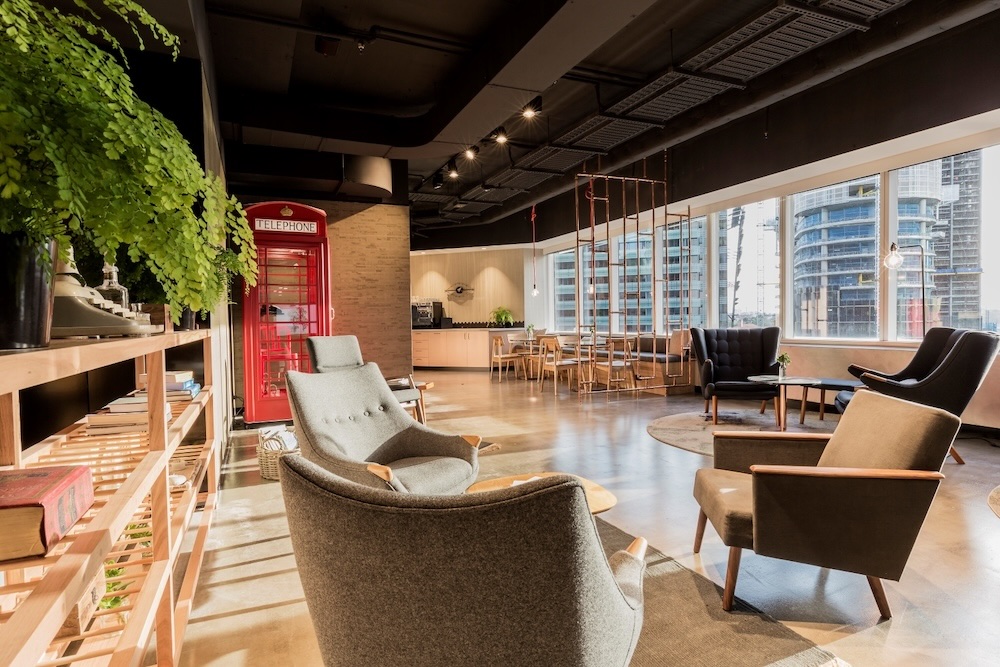
A stylish and spacious office lounge featuring comfortable armchairs, a red telephone booth for private calls, and large windows with a city view.
Good office Feng Shui is about creating a space that feels good to work in and supports people in performing at their best. Whether the starting point is a simple desk reorganisation, adding a few plants, or finding a workspace designed with these principles already in place, the difference is tangible.
For businesses, freelancers and professionals, a well-balanced office layout provides a solid foundation for focused, productive work. The Work Project offers premium coworking spaces and private office solutions at prime locations across Sydney, Melbourne, Brisbane and Perth.
Book a tour at a location near you to see the spaces firsthand.
Frequently Asked Questions About Desk Feng Shui
What If I Don't Have a Wall Behind Me?
A low bookshelf, a credenza or a tall plant placed behind your chair provides comparable support. The goal is a stable, defined backing rather than open space behind you while you work.
Can I Place My Desk Near a Window?
A desk beside a window is preferable to one directly facing it. Natural light from the side supports focus; light directly in front creates glare and the visual distraction of outdoor movement.
How Should I Choose Desk Colour or Material?
Timber and light neutral finishes align with the wood and earth elements and tend to produce calmer working surfaces. High-gloss white or glass desks introduce the metal element and work well in brighter, more contemporary office environments.
Can I Apply Desk Feng Shui to a Bedroom Workspace?
The same principles apply: commanding position, solid backing, clear surface zones and the four symbols framework. Where possible, separate the desk visually from the sleeping area using a room divider, a curtain or a bookshelf to maintain the energy distinction between work and rest.